By Kathy Dills
When children enter foster care, they experience profound loss and uncertainty. The trauma of being removed from their home is often intensified when they are also separated from their siblings. Research consistently shows that siblings benefit emotionally, socially, and developmentally from remaining together whenever possible. Sibling relationships are often the longest-lasting relationships in a person’s life, extending far beyond childhood into adulthood. For children facing instability, siblings can provide familiarity, comfort, identity, and unconditional support.
Unfortunately, keeping sibling groups together in foster care is not always easy. Geographic barriers can make visitation difficult when siblings are placed apart. Even more commonly, there is a shortage of foster homes able to accommodate larger sibling groups, particularly when children have significant medical or behavioral needs. In some situations, professionals may determine that separation is clinically appropriate, especially when sibling conflict exists or when an older child has assumed an unhealthy parenting role with younger siblings.
Yet in Graham County, two extraordinary foster families have demonstrated what is possible when commitment, compassion, and family values come together.
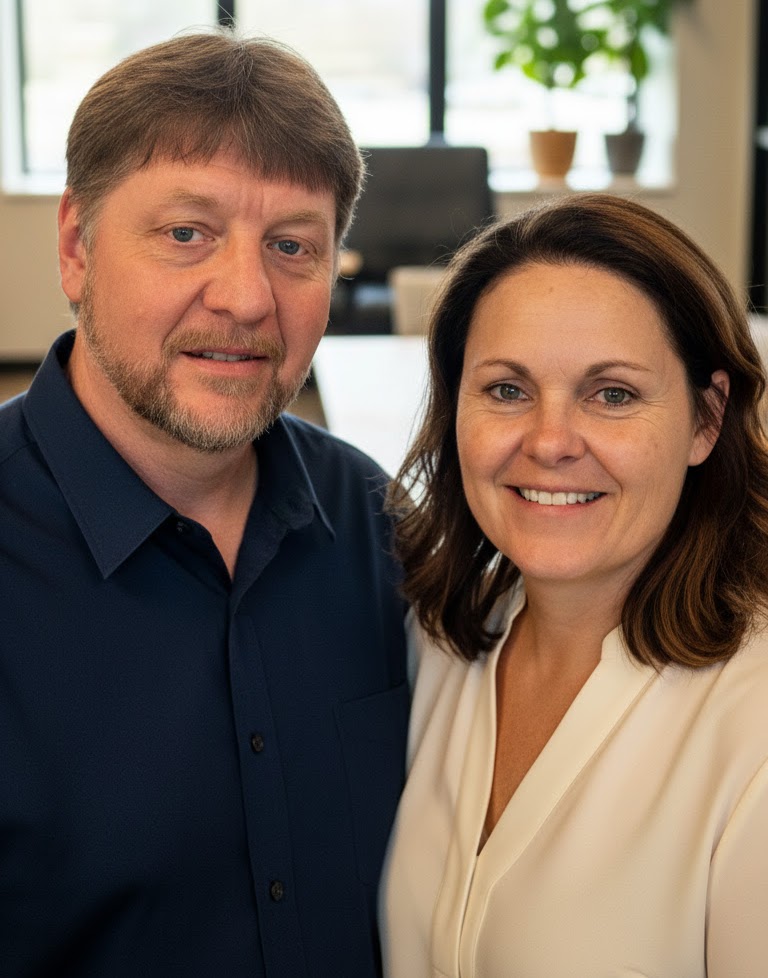 Dale and Dianne Wiggins | 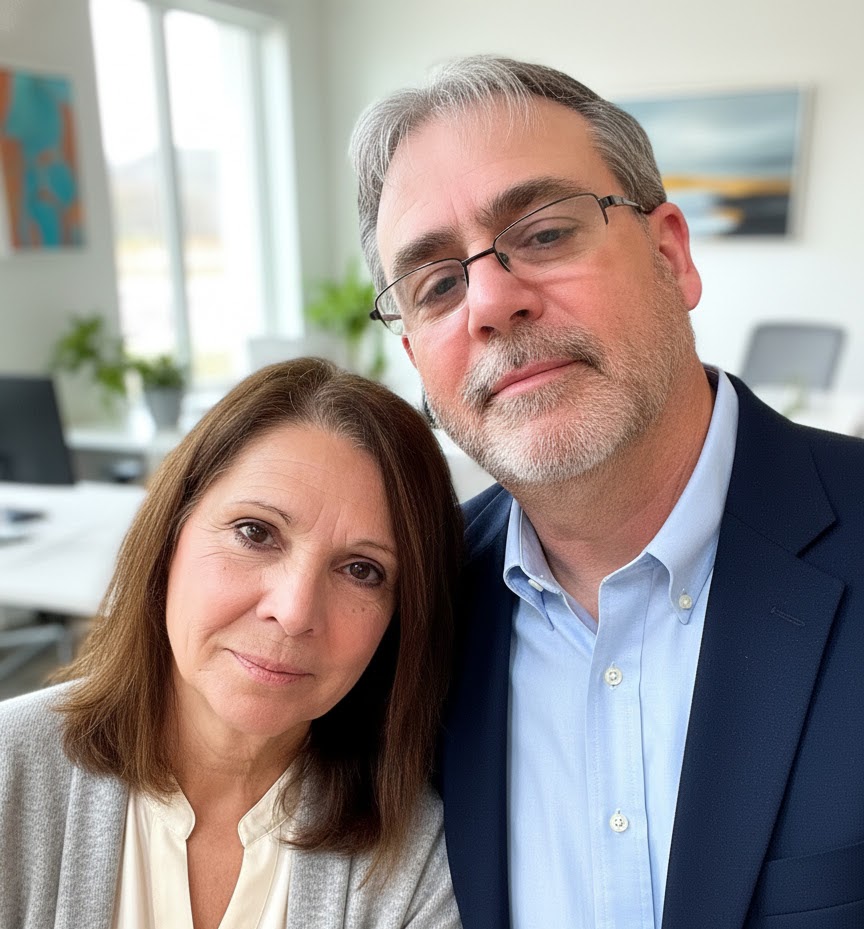 Clark and Darlene Lovingood |
Dale and Dianne Wiggins and Clark and Darlene Lovingood serve as licensed foster parents with Davidson Family Services. Dianne and Darlene are sisters who live within walking distance of one another, creating a unique opportunity to support sibling connections in foster care.
Their journey began when the Wiggins family was contacted about the placement of a child who had two younger brothers. Recognizing the importance of keeping the siblings closely connected, Dianne immediately reached out to her sister Darlene, who was able to welcome the younger boys into her home. One of the brothers had severe disabilities, adding additional complexity to placement needs.
The sisters understand the importance of sibling bonds deeply because they themselves are part of a family of ten children. Growing up, they witnessed their parents frequently opening their home to children in need of safety and care. That spirit of compassion became part of their legacy.
Today, both families continue that legacy together.
More recently, the Wiggins family accepted placement of another medically fragile child who was part of a sibling group of three. Shortly afterward, the Lovingood family welcomed the child’s two younger siblings after the children had experienced multiple disrupted placements. One of the younger siblings also has significant medical needs. The two boys share a progressive medical diagnosis and receive treatment at Levine Children’s Hospital in Charlotte. To support one another, the sisters coordinate appointments on the same days, traveling together and sharing caregiving responsibilities. This partnership not only benefits the foster parents but provides the children with comfort, stability, and continuity.
What makes these placements especially meaningful is that the sibling groups can remain actively involved in each other’s daily lives. The children attend school and church together, spend afternoons playing in each other’s yards, and share ordinary childhood experiences that are so often lost in foster care. The families eat together, enjoy community outings, visit Dollywood, and even vacation together in places like Myrtle Beach and Florida.
In every way possible, these families have transformed separate foster homes into one extended family.
Their story is a powerful reminder that foster care is about more than providing shelter. It is about preserving relationships, nurturing identity, and creating lifelong connections. Through their dedication, the Wiggins and Lovingood families have shown that siblings can remain not only brothers and sisters, but also friends for life.
Sibling groups raising sibling groups — a beautiful example of how love, family, and community can change the trajectory of a child’s life forever.
Kathy Dills, MA Ed, QP is a Licensing Specialist with Davidson Family Services